Habibi Template: Create Viral CapCut Video Edits in 2026
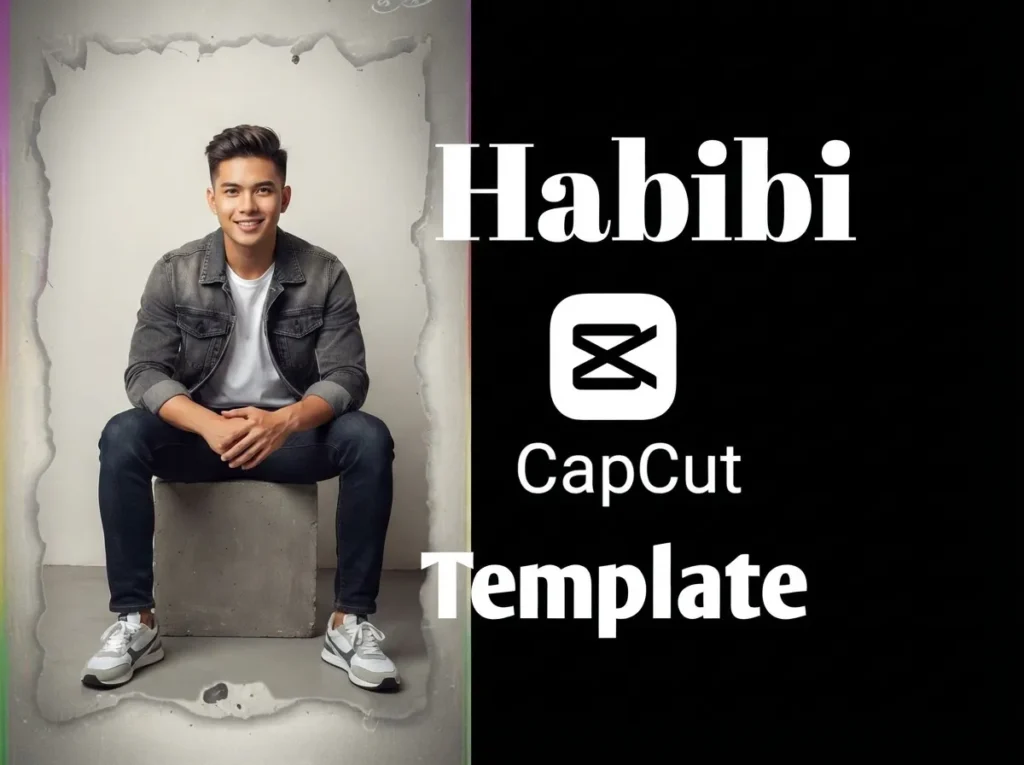
The Habibi Template is a popular choice for creators who want to turn ordinary photos and short video clips into stylish edits with a smooth, emotional feel. It typically combines music, transitions, colour effects, animations, and carefully timed visuals, giving you a ready-made structure instead of making every part of the edit from scratch.
Finding the right template can still be tricky because different versions can have different styles, timings, and effects. At UniversalEdit, you can explore practical guides and editing resources to understand popular templates and make better choices for your content. In this guide, you’ll learn how the Habibi Template works, what type of content suits it best, how to use it, and how to customise the final edit so it feels more personal rather than looking like a basic preset.
What is the Habibi Template
The Habibi Template is a ready-made CapCut format that gives creators a simple way to turn photos and short video clips into well-paced social media edits. It can combine music timing, transitions, animations, and visual effects into one preset, so you can start with an organised edit instead of building the sequence from the beginning.
The main benefit is the time it can save during the editing process. Rather than adjusting every clip, transition, and beat manually, you can add your own media and let the template create the initial arrangement. You can then make small changes to the timing, clips, music, or effects to make the final video better suited to your own style. This makes the template useful for beginners as well as creators who want a quicker starting point for TikTok, Instagram Reels, and YouTube Shorts.
Benefits of Using the Habibi Template
A good short-form edit needs more than attractive effects. The timing of clips, music, transitions, and visual changes all affect how the video feels when someone watches it. The Habibi Template gives creators a structured starting point, making it easier to build fast-paced edits without handling every editing detail manually.
1. Creates a More Engaging Flow
A well-timed sequence can make a short video feel smoother and easier to follow. Habibi-style templates often combine music beats with transitions, animations, and quick visual changes, which can add rhythm to photos and clips.
This does not automatically guarantee more views or longer watch time. The quality of your footage, the opening seconds, and the overall story still play a major role in keeping viewers interested.
2. Reduces Manual Editing Work
Building beat-synced transitions and effects from scratch can take considerable time, especially when you’re working with several clips. A template provides much of that structure in advance, so you mainly need to replace the sample media with your own photos or videos.
This makes the editing process faster without removing the option to customise the result. You can adjust clip selection, timing, text, music, and effects after applying the template to better match your content.
3. Fits Different Types of Content
The style can be adapted to many kinds of short-form videos, including travel moments, fashion edits, fitness clips, car videos, lifestyle content, and personal memories. The same template can produce very different results depending on the footage and music you choose.
I’ve found that the best results usually come from matching the template to the content rather than forcing every type of footage into the same style. Calm clips may need fewer effects, while energetic footage can work better with faster transitions and stronger visual changes.
Key Visual Features of the Habibi Template
The look of a Habibi-style edit usually comes from several effects working together rather than one single filter. Music timing, movement, colour adjustments, and transitions can give the video a more energetic rhythm while keeping the editing process relatively simple.
A typical Habibi Template may include several visual elements that shape its overall appearance:
- Speed Ramping: Clips can slow down or speed up at selected moments, adding movement and giving important scenes more visual emphasis.
- Zoom and Flash Transitions: Quick zooms, flashes, and small camera movements can make scene changes feel more noticeable and help match visual changes with the music.
- Bold Colour Adjustments: Increased contrast, richer tones, and deeper shadows can give footage a stronger appearance. The exact colour treatment depends on the template and original clips.
- Music-Synced Animations: Text, transitions, and other visual changes can be timed around beats in the soundtrack, creating a more connected flow between scenes.
- Motion and Overlay Effects: Blur, glow, light leaks, and other overlays can add atmosphere and movement. These effects usually work best when they complement the footage rather than covering important details.
How to Use the Habibi Template
Using a Habibi Template in CapCut is fairly straightforward. The main process involves finding the right template, opening it in CapCut, adding your own photos or clips, checking the automatic arrangement, and making a few adjustments before exporting.
1. Choose the Right Template
Start by finding a Habibi Template that matches the style of your footage. Use an official CapCut template page or a reliable source rather than clicking through unfamiliar download sites with misleading buttons or excessive redirects.
2. Open It in CapCut
Once you find a suitable template, select the option to use it in CapCut. The template will open in the app or supported version of CapCut and show how many photos or video clips you need to add.
3. Add Your Photos or Videos
Choose the required media from your device and insert it into the available template slots. Try to select clips that match the template’s pacing and composition, since footage with the right length and framing usually requires fewer adjustments.
4. Review and Customise the Edit
Play the complete video before exporting and check how each clip fits the transitions and music. You can crop, reposition, replace, or trim individual clips when needed. If the template includes text, effects, or music options that you don’t want, adjust them to better suit your content.
5. Export the Finished Video
When the edit looks right, select the export settings available on your device and CapCut version. Match the resolution and frame rate to your original footage and the platform where you plan to share it rather than choosing the highest setting automatically.
After exporting, watch the final file once to check for any cropping, timing, or quality issues before uploading it to TikTok, Instagram Reels, YouTube Shorts, or another platform.
How to Make the Most of Habibi Template Edits
Creating the edit is only part of the process. Once your Habibi Template video is ready, the way you prepare and share it can also affect how well it fits the platform and audience you’re targeting.
Use Music That Matches the Edit
If the template is built around a particular song or beat, keeping the music consistent can help preserve the timing of its transitions and visual changes. When posting to Instagram or TikTok, you can also check the platform’s available audio options and select a suitable version of the track directly from its music library.
Avoid adding too many layers of audio. A clear soundtrack usually works better than combining several competing sounds.
Adapt the Edit for Different Platforms
A video created with a Habibi Template can be repurposed for TikTok, Instagram Reels, and YouTube Shorts, but each platform may display content slightly differently. Check the video’s framing, text placement, and overall length before publishing.
Keep important subjects and text away from areas covered by platform interface elements. This is especially useful for vertical videos where captions, buttons, and other controls can overlap parts of the frame.
Create Photo-Based Habibi Edits
You don’t need a large collection of video clips to experiment with this style. A Habibi Photo Template can turn portraits, travel pictures, fitness progress shots, or creative work into a rhythmic slideshow with timed transitions.
If you’re working mainly with images, you can also explore Photo Dump CapCut Template ideas for a different photo-focused editing style. The key is to choose images with varied framing and enough visual detail so the transitions don’t feel repetitive.
Popular Habibi Template Variations
Different Habibi Template versions can create noticeably different results. The right option depends on the type of footage you have, the pace you want, and how much movement you want in the final edit.
| Template Style | Works Well For | Main Characteristics |
|---|---|---|
| Velocity Glow-Up | Fashion edits, fitness progress, car videos | Faster speed changes, motion blur, flash transitions |
| Cinematic Landscape | Travel clips, nature footage, architecture | Slower pacing, smooth transitions, deeper colour tones |
| Multi-Photo Split | Photography, artwork, product images | Quick image changes, zoom movement, beat-based timing |
When choosing between these styles, look at your original footage first. A template that matches the natural pace and composition of your clips will usually need less editing afterward, giving you a cleaner and more consistent result.
Tips to Customize the Habibi Template
A ready-made template gives you a strong starting point, but the final edit doesn’t have to look exactly like everyone else’s. A few thoughtful changes to your footage, colours, and effects can make the video feel more personal and better suited to your content. You can also explore other visual styles, such as Lofi Dusk Templates, if you want to experiment with warmer and more nostalgic edits.
1. Correct Your Footage Before Applying the Template
The template can only work with the footage you provide, so start with clips that have reasonable lighting and clear subjects. Extremely dark or overexposed footage may not blend well with the preset colour adjustments and visual effects.
Before applying the template, make small corrections to exposure, brightness, contrast, or highlights when needed. Good source footage gives you more flexibility when adjusting the final edit.
2. Keep Additional Effects Subtle
You can add your own creative touches after the template has finished processing the clips. Light film grain, a soft glow, or a gentle light leak can change the texture and mood without completely altering the original style.
The key is moderation. Too much grain, glow, blur, or overlay can hide important details and make the edit feel crowded. I’ve found that subtle adjustments usually work better when the template already contains several visual effects.
Common Habibi Template Export Issues
Even when a template works correctly during editing, small problems can sometimes appear during preview or export. Most issues are related to device performance, source footage, project settings, or the way the template handles timing.
1. Audio and Video Timing Issues
If the music and clips don’t line up correctly after export, first check the project in CapCut before changing multiple settings. Heavy projects, limited device resources, or an incorrect clip arrangement can sometimes affect playback and timing.
Try closing unnecessary apps, restarting CapCut, and checking that your app is updated. Preview the complete project again before exporting and make sure the clips are placed in the correct template slots. If the problem continues, recreating the project with the same media can help identify whether the issue is specific to that project.
2. Blurry or Low-Quality Export
A soft or pixelated result doesn’t always come from the template itself. Low-resolution photos, compressed videos, excessive cropping, or unsuitable export settings can all reduce the final quality.
Start with the highest-quality original media available and avoid repeatedly resizing or compressing the same clips. When exporting, choose a resolution that matches your source footage and the requirements of your target platform. Higher resolution cannot restore detail that was missing from the original file, so source quality should be your first priority.
Conclusion
The Habibi Template gives creators a convenient starting point for building rhythmic and visually engaging short-form edits without creating every transition and effect manually. Its combination of music timing, movement, animations, and colour adjustments can add a distinct style to simple photos and video clips.
The quality of the final edit still depends on the footage and creative choices you make. Choosing clips that fit the template’s pacing, correcting basic lighting issues, and making small adjustments can help the result feel more natural and personal.
From travel and fashion content to lifestyle videos and personal memories, the template can be adapted to different types of footage. With the right template and a little customisation, you can create an edit that suits your own visual style instead of simply relying on the preset.