VN Video Editor: Complete Guide & Editing Features 2026
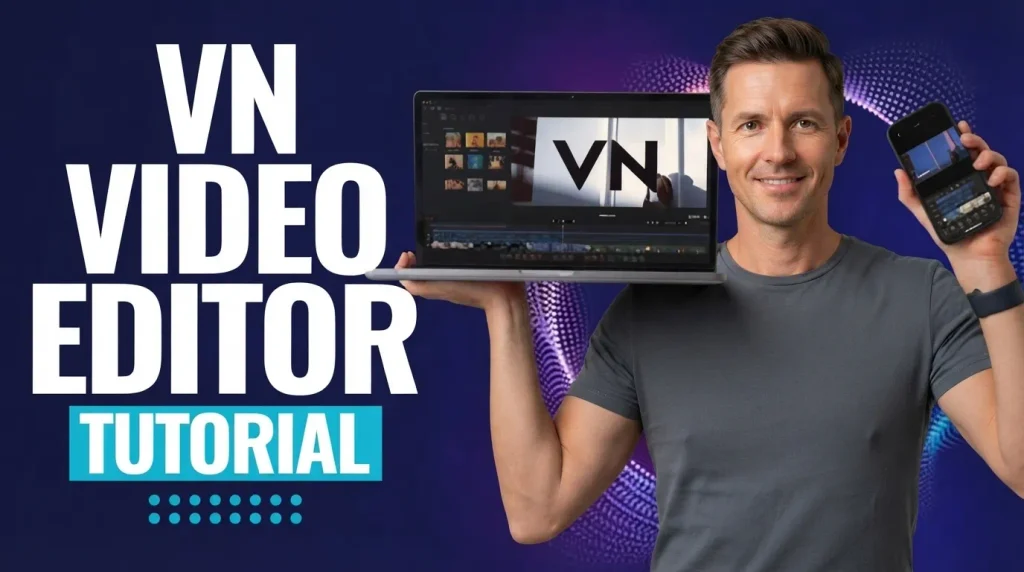
VN Video Editor: Complete Guide is a useful resource for creators who want to understand modern video editing without dealing with an overly complicated workflow. VN Video Editor: Complete Guide is a useful resource from UniversalEdit for creators who want to understand modern video editing without dealing with an overly complicated workflow.VN provides tools for timeline editing, transitions, filters, effects, text, music, speed control, keyframes, and multi-layer projects.
It can be useful for beginners, social media creators, vloggers, students, and users who want more creative control over their videos. Its combination of an accessible interface and advanced editing features makes it suitable for different types of content creation.
What Is VN Video Editor
VN Video Editor: Complete Guide explains how VN works as a timeline-based video editing application for creating, editing, and customizing videos. Users can import video clips, arrange them on a timeline, trim unwanted sections, split footage, and adjust the sequence according to their project. Multiple video and audio elements can be combined within one project, making VN suitable for both simple social media content and more detailed video productions.
One of the main strengths of VN Video Editor: Complete Guide is its balance between simplicity and creative control. Beginners can start with basic trimming, cropping, transitions, music, and text, while experienced users can explore keyframes, speed curves, filters, layers, and color adjustments. The interface keeps many commonly used tools accessible during editing, helping creators work more efficiently without constantly navigating complicated menus.
The VN Video Editor: Complete Guide approach is also useful for understanding the different types of content that can be created with the application. Users can make YouTube videos, Instagram Reels, TikTok-style short videos, travel content, tutorials, product presentations, vlogs, and personal projects. Video clips can be combined with text, music, stickers, effects, transitions, and other visual elements to create customized results.
Timeline Editing and Multi-Layer Support
The timeline is one of the most important features discussed in the VN Video Editor: Complete Guide because it gives creators precise control over their footage. Users can import multiple clips and arrange them in a preferred sequence. Individual clips can be trimmed, split, moved, duplicated, or removed directly from the timeline. This makes it easier to remove unwanted footage and build a well-organized final sequence.
VN Video Editor: Complete Guide also covers the application’s multi-layer editing capabilities. Creators can place additional video clips, images, text, stickers, and other elements above the primary video track. These layers can be adjusted independently, making them useful for picture-in-picture effects, reaction videos, tutorials, overlays, presentations, and creative compositions.
The multi-layer workflow gives VN Video Editor: Complete Guide particular value for users who want to create more detailed projects. Instead of simply joining clips together, creators can build scenes using multiple visual and audio elements. Each layer can have its own timing, position, and adjustments, providing greater control over the final composition. This makes VN more capable than basic clip-joining applications.
Transitions, Effects and Filters
Transitions are an important part of the VN Video Editor: Complete Guide because they help create smoother connections between different clips. Without transitions, scene changes can sometimes feel abrupt. VN provides different transition styles that can be placed between clips to create simple, smooth, or more dynamic changes. Selecting transitions that match the style and pacing of the video can improve the overall viewing experience.
Filters and effects also give creators more creative possibilities. Users can apply filters to change the overall color and mood of their footage, while effects can introduce additional visual movement and styling. These tools can be useful for travel videos, lifestyle content, cinematic edits, music videos, and social media posts. Applying effects carefully is important because excessive effects can distract viewers from the main content.
Another benefit is the ability to combine filters, effects, transitions, and manual adjustments to develop a unique visual style. Creators are not limited to using a single preset appearance and can experiment with different combinations. Applying similar visual treatments to a collection of videos can also help establish a recognizable style for a creator or brand.
Speed Control and Speed Curves
Speed control is another important feature covered in the VN Video Editor: Complete Guide. It allows creators to change the playback speed of individual clips, making footage faster or slower according to the needs of the project. Slow motion can emphasize an important moment, while faster playback can shorten long sections of footage and create a more energetic pace.
Speed curves provide more advanced control by allowing playback speed to change at different points within a clip. Instead of applying one speed setting to the entire video, creators can gradually accelerate or slow down selected sections. This technique can be useful for music edits, sports videos, travel montages, fashion content, and dynamic short-form videos.
Using speed adjustments effectively requires attention to the original footage and soundtrack. Very slow footage may require suitable source material to remain smooth, while rapid speed changes can work particularly well when synchronized with music or movement. Creators can combine speed curves with transitions and keyframes to produce more dynamic sequences.
Keyframes and Motion Control
Keyframes are one of the advanced features highlighted in the VN Video Editor: Complete Guide because they provide control over movement and changes throughout a clip. A keyframe establishes a specific value at a particular point in time, while another keyframe can define a later value. The application then creates the transition between those points.
Creators can use keyframes to produce zoom-in and zoom-out effects, moving overlays, animated images, text movement, rotation, and other customized animations. For example, an image can gradually become larger while moving across the screen. Text can also move from one position to another, creating a more dynamic presentation than static titles.
Learning keyframes can significantly improve the quality of advanced projects. Instead of depending completely on automatic effects, creators can control the exact timing and movement of individual elements. This makes keyframes particularly useful for editors who want to develop their own motion styles and create more personalized videos.
Text, Stickers and Audio Editing
Text editing is another useful feature discussed in the VN Video Editor: Complete Guide. Creators can add titles, captions, subtitles, labels, and other written information to their projects. Text can be customized using available fonts, colors, sizes, positions, and animation options. This is particularly useful for social media videos where viewers may watch content without sound.
Stickers and graphic elements can also add personality to videos. They can be used for reactions, decoration, emphasis, branding, or visual storytelling. Combining stickers with animated text and other effects can make short-form content more engaging. However, creators should use these elements carefully so they complement the content instead of making the video visually crowded.
Audio editing is another important component. Users can add music, sound effects, voice recordings, and other audio elements to their projects. Audio clips can be positioned along the timeline and synchronized with visual content. Proper audio timing can significantly improve tutorials, vlogs, promotional videos, music edits, and other types of content.
Color Adjustment and Professional Editing
Color editing is an important topic in the VN Video Editor: Complete Guide because color can strongly influence the appearance and mood of footage. VN provides adjustment controls that can help users modify brightness, contrast, saturation, temperature, and other visual characteristics. These tools can be used to correct footage captured under different lighting conditions.For users who also work with photographs, Adobe Lightroom provides additional tools for photo organization, RAW processing, color adjustment, and image enhancement.
For example, increasing contrast can make footage appear stronger, while adjusting temperature can create a warmer or cooler appearance. Saturation can control color intensity, while brightness adjustments can help balance scenes. Creators can experiment with these settings while previewing their results directly inside the editing workflow.
Consistent color treatment is particularly useful for creators producing multiple videos. Similar adjustments can make footage from different scenes appear more visually connected. Users can develop a recognizable style by maintaining consistent color choices across their content, helping create a more professional appearance.For creators who also work with detailed photo editing, Adobe Photoshop: Complete Guide provides information about advanced image editing, retouching, layers, masks, color correction, compositing, and other creative tools.
Export, Sharing and Content Creation
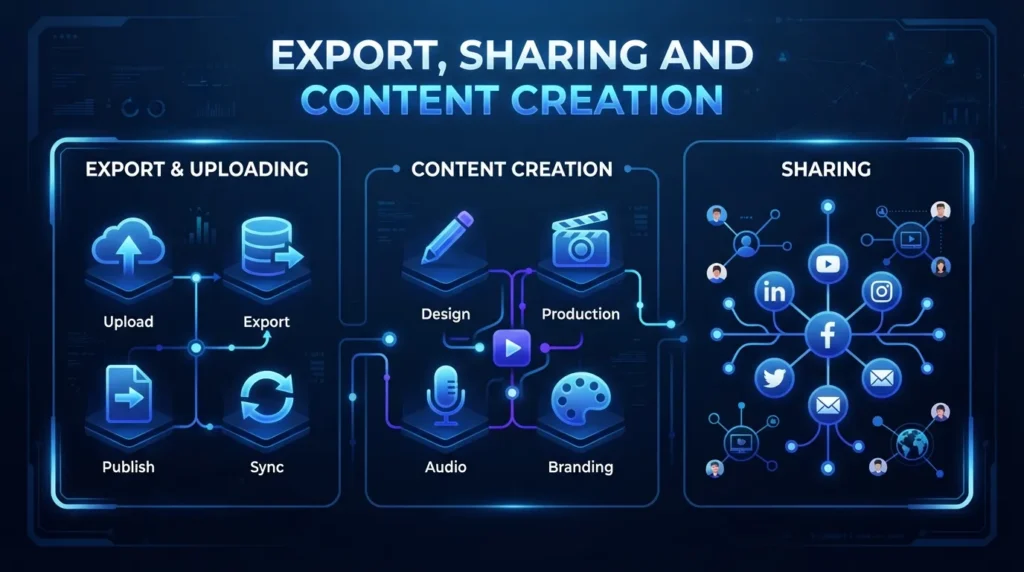
The VN Video Editor: Complete Guide also covers export and sharing because creating the edit is only part of the overall workflow. After finishing a project, creators need to select appropriate export settings according to the intended platform. Resolution, frame rate, aspect ratio, and file quality can all influence the final result.
Social media creators can prepare different types of videos for platforms such as YouTube, Instagram, TikTok, and other video-sharing services. Vertical projects are useful for short-form platforms, while horizontal formats can be used for traditional video content. Creators interested in popular short-form styles can also explore a TikTok trending CapCut template for ideas and inspiration. VN’s timeline allows creators to organize footage according to the desired format.
Before exporting, creators should review the complete project carefully. Check transitions, audio synchronization, text placement, color adjustments, unwanted clips, and other elements before creating the final file. A final review can help identify mistakes and ensure that the exported video matches the original creative intention.
VN Video Editor for Beginners and Advanced Users
For beginners, VN provides a practical way to learn the fundamentals of video editing. New users can start by importing clips, trimming unwanted sections, arranging the timeline, adding music, and applying basic transitions. After becoming comfortable with these tools, they can gradually learn filters, text animation, speed controls, keyframes, and color adjustments.For Apple users looking for another beginner-friendly editing option, iMovie provides a simple workflow for creating and editing videos on supported Apple devices.
Advanced users can use VN for more detailed projects involving multiple layers, customized motion, speed curves, audio elements, color adjustments, and complex timelines. Instead of depending entirely on automatic templates, experienced creators can manually control individual components of their videos. This provides more creative freedom and allows editors to develop their own visual style.
The biggest strength of VN is its combination of an approachable interface and advanced editing controls. Beginners can use basic features while gradually expanding their skills, whereas experienced creators can explore more detailed workflows. With regular practice, users can learn how timing, movement, audio, color, and composition work together to create stronger videos.
Conclusion
VN Video Editor: Complete Guide demonstrates that VN provides a broad collection of editing tools for creators who want substantial control without an extremely complicated workflow. Timeline editing, multi-layer support, transitions, filters, effects, speed controls, keyframes, text tools, stickers, audio editing, and color adjustments cover many of the requirements of modern video creation. These features make the application suitable for beginners, vloggers, social media creators, students, and experienced mobile editors.
For users who are learning video editing, VN offers a practical environment for developing important editing skills. Beginners can start with simple tasks and gradually move toward advanced techniques such as keyframes, speed curves, multi-layer compositions, and detailed color adjustments. Experienced creators can use these tools to create more customized projects and maintain a consistent visual style. Overall, VN provides a flexible editing workflow for creators who want a combination of accessibility and creative control.
2 Comments